
Hernani Oliveira – PhD student in Moelcular Ecology
I think doing a PhD is more than just learning about science – it’s a life journey.
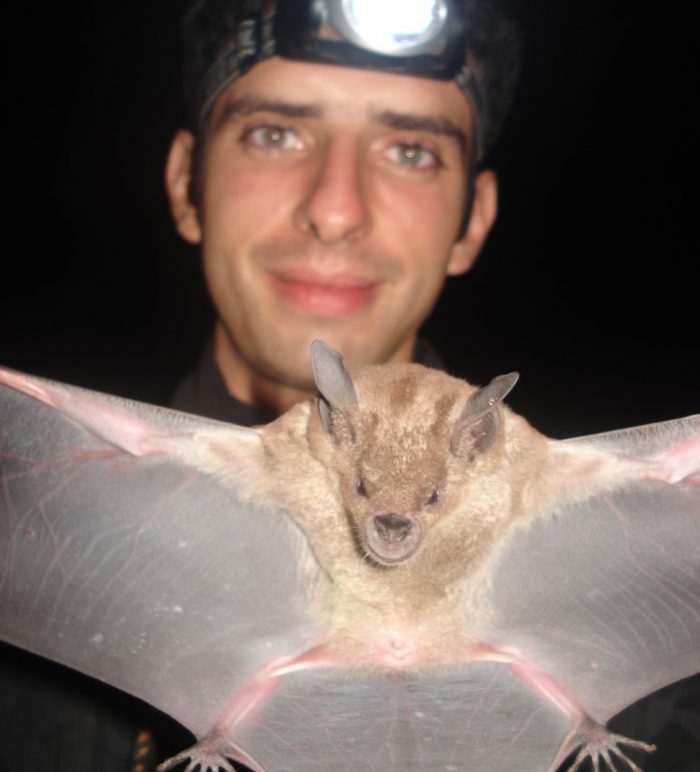
Hi Hernani. What are you currently up to?
I’m a PhD student working with molecular ecology in Queen Mary University of London.
What does this job entail?
It entails me to do a lot of travelling for conferences, fieldwork, courses and meetings. I also have to keep studying all the time and try to be well informed about my field of expertise.
What does a regular day look like?
I have two different typical days. One happens when I’m out in Costa Rica during fieldwork and the other happens when I’m in London. My London typical days are basically reading, analysing data and getting ready for the next meeting where I’ll have to present the progress that I have done at work. In Costa Rica, a typical day out would be catching bats and walking around the forest.
What skill set is required for such a position?
I think anyone who wants to do what I do has to be flexible to travel and work in countries that you’ve never been to before, has to be physically healthy to cope with the work and walks in the field and also have a good capacity for learning new academic skills (specially in statistical analysis and computer coding).
How did you get into this role?
I was e-mailed about the opportunity by friend who I have worked with previously and had worked with the main investigator and now my advisor in the PhD. I have a background in animal biology, ecology and teaching.
What recommendations would you make to someone interested in a similar position?
I would recommend anyone to get as much experience as he/she can in statistical analysis, computer coding and fieldwork. Anyone who has this background would increase their chances of acceptance for this role.
What would you say to someone who is unsure about further education, such as a PhD?
I think doing a PhD, more than just learning about science, is a life journey and has a lot to do with knowing yourself, pushing your limits and learning how to deal with all the pressure and excitement of science.
It is also a good training and can really increase your chances of getting a full time job in the science sector.
Thanks Hernani!
No comments yet.