
Environmental Education in Greater London
Sometimes we will educate school groups that come from urban schools in areas without open grasslands or woodlands, and it is wonderful to see how much they enjoy surroundings they have not experienced before
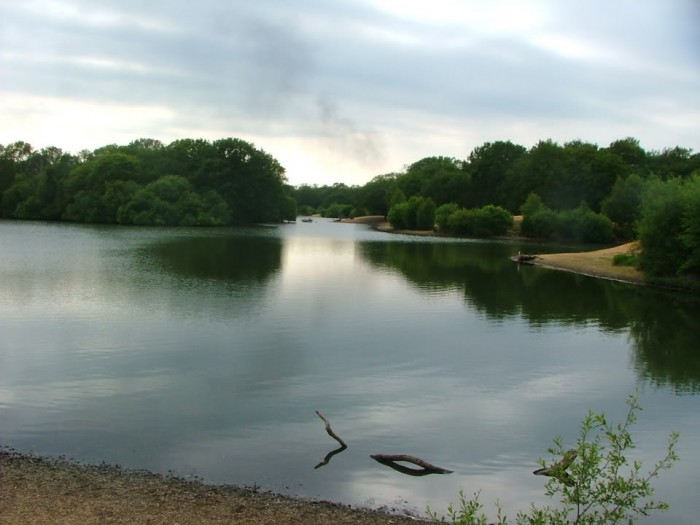 Image: Emily Wilson
 Working at the Essex Wildlife Trust has been a rewarding and enjoyable experience. My role of educating the younger generation in wildlife conservation involves many activities, ranging from guided walks, pond dipping, mini beast hunting and den building to craft activities and deer feeding. Lots of these activities are hands on experience outdoors where the children and their parents can be inspired by the environment around them. Sometimes we will educate school groups that come from urban schools in areas without open grasslands or woodlands, and it is wonderful to see how much they enjoy surroundings they have not experienced before. On top of this we do birthday parties for young children, when the adults surprisingly get just as much involved.
It’s an easy and affordable way to entertain children and a popular destination with the Havering community. Throughout the year there are many activity days, particularly over the Easter, Summer and Christmas holidays aimed at inspiring the minds of all ages. I enjoy working here, every day is fun filled with activities and it is very rewarding to see children learning and enjoying themselves too. I am currently being trained to take groups solo and look forward to coming up with new exciting ideas for the park.
Also whilst working here I have been involved in the running of the visitor centre itself, from designing indoor displays, to gardening around the centre as well as collating ideas for the “Outdoor Classroom” project starting this summer. This will involve making a popular area of the park a designated classroom for educating birthday parties and school groups that attend the activity days and help show them the importance of helping the environment, in the park and at home. It is fantastic to be part of such projects as this, and knowing that my input can make a difference.

No comments yet.