
Can Ecotourism Put Wildlife at Risk?
Protected areas throughout the world receive 8 billion visitors every year, so it is clear the ecotourism business is booming.
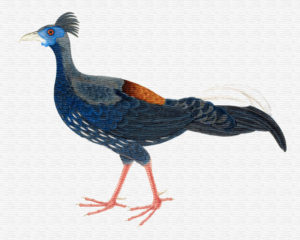
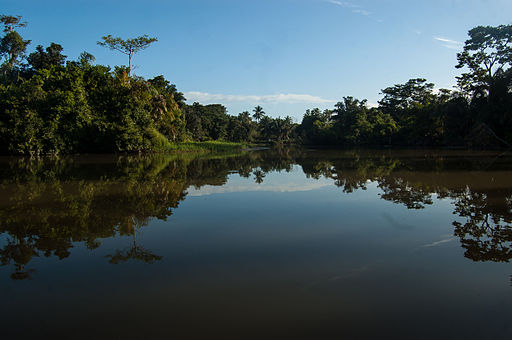 Image: By World Wide Gifts [CC BY-SA 2.0 (http://creativecommons.org/licenses/by-sa/2.0)], via Wikimedia Commons
 Increasing numbers of people are travelling vast distances to see wildlife. Money from ecotourism can provide much needed funds for local communities and species. However, can interactions between tourists and wildlife put animals in a new kind of danger?
Protected areas throughout the world receive 8 billion visitors every year, so it is clear the ecotourism business is booming. A new report, published in Trends in Ecology & Evolution, states that the presence of humans changes the way animals behave, and that these changes may spill over into other parts of their lives. These behavioural changes, as well as changes in activity, can put animals at risk in ways that are not immediately obvious.
“When animals interact in ‘benign’ ways with humans, they may let down their guard,” said Daniel Blumstein of the University of California, Los Angeles. As animals get used to feeling comfortable with humans nearby, they may become bolder in other situations. “If this boldness transfers to real predators, then they will suffer higher mortality when they encounter real predators.”
Ecotourism has similarities with urbanisation and domestication. In all three cases, regular interactions between people and animals may lead to habituation, so the animals become tamer. There are several examples of this. Silver foxes become more docile and less fearful when they undergo domestication. This results from evolutionary changes and from regular interactions with humans. Domesticated fish are less responsive to simulated predatory attacks. And squirrels and birds that live in urban areas are bolder – it takes more to make them flee.
The presence of people can also discourage natural predators, for example, vervet monkeys have fewer encounters with predatory leopards when humans are nearby. This creates an artificial safe haven for smaller animals which may make them bolder. In Grand Teton National Park in Wyoming, elk and pronghorn that live in areas that are visited by more tourists are alert for a shorter time and spend less time feeding than those living in areas with fewer tourists.
The question remains as to what extent these more relaxed and bolder behaviours around humans transfer to other situations. Will this leave animals at greater risk in the presence of their natural predators? How will it impact animals’ reaction to poachers?
The authors of the report state: “We know that humans are able to drive rapid phenotypic change in other species. If individuals selectively habituate to humans – particularly tourists – and if invasive tourism practices enhance this habituation, we might be selecting for or creating traits or syndromes that have unintended consequences, such as increased predation risk. Even a small human-induced perturbation could affect the behaviour or population biology of a species and influence the species’ function in its community.” They hope to generate more research on the interactions of humans with wildlife, and say it will now be “essential to develop a more comprehensive understanding of how different species and species in different situations respond to human visitation and under what precise conditions human exposure might put them at risk.”
Blumstein says the report sets out “a new way of thinking about possible long-term effects of nature-based tourism and encourages scientists and reserve managers to take into account these deleterious impacts to assess the sustainability of a type of tourism, which typically aims to enhance, not deplete, biodiversity.”
No comments yet.